Blog Interview: Dr. Enoh Šeba – International Baptist Theological Study Centre
Please introduce yourself and your role at International Baptist Theological Study Centre (IBTS)
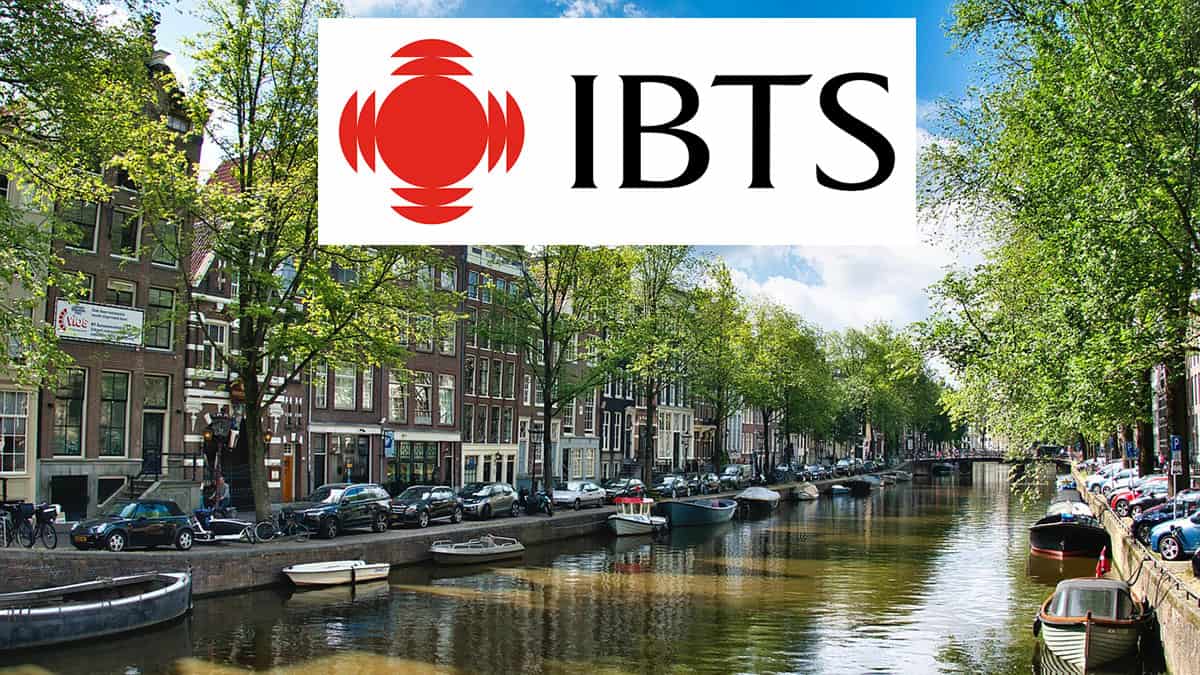
My name is Enoh Šeba, and I am the Director of the International Baptist Theological Study Centre (IBTS) in Amsterdam, the Netherlands.

Tell us a little about IBTS
IBTS is a higher education institution originally founded in Rüschlikon, Switzerland, in 1949. Its primary purpose was to serve the Baptist unions in the European Baptist Federation region. In 1996, it moved to Prague as its main focus became the Eastern European Baptists in the post-Communist era, and in 2014 it relocated to the Netherlands. Today, the Centre has three core areas: practical theology, contextual missiology and Baptist identity. In collaboration with the School of Religion and Theology at Vrije Universiteit Amsterdam (VU), IBTS offers two pathways into the VU PhD programme: the Thesis Bridging Programme (TBP) and the Postgraduate Research Certificate in Theology (PGCert) programme. Currently, around 50 students are enrolled at IBTS.
Are the courses full time, part-time or a mixture of both?
The courses are part-time, but PhD students must attend a one-week Research Colloquium every January.
How do IBTS students fund their studies?
Our students fund their studies in various ways: some receive support from their churches or unions, some make use of scholarships, and some fund their studies themselves. However, it is important to mention that our fees are reasonably affordable, especially compared to those of overseas theological institutions.
Does IBTS take students from overseas?
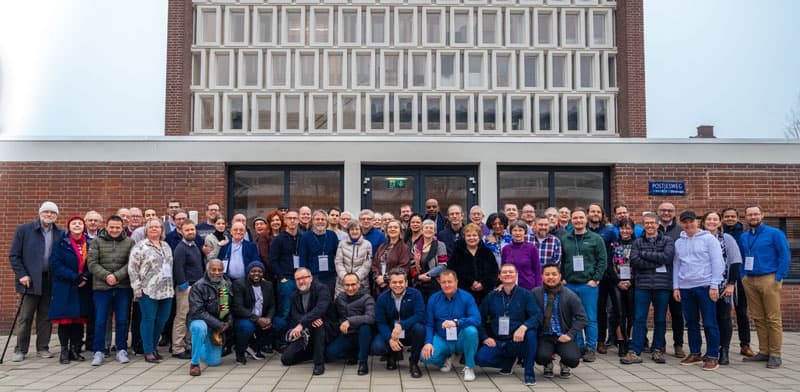
Yes, our academic community is wonderfully diverse and multicultural. Our students come from a variety of backgrounds, providing a unique learning opportunity that significantly enhances the quality of research and the personal experience of all involved. Our students come from countries such as Ukraine, Portugal, Croatia, Bulgaria, Kazakhstan, Belarus, Norway, Denmark, Lebanon, Hong Kong, India, the UK and the USA. Remaining in their own ministry context enables them to continue in ministry and ground their research in their own local setting.
What type of ministry is IBTS intended to prepare students for?
Our mission is to build and support the Baptist community by promoting academic excellence, providing theological resources and sharing knowledge to benefit churches and ministries in their local communities. We primarily serve those who are already pursuing a vocation or calling, whether in pastoral work, missions, theological education, or public or civil service, helping them to improve and expand their existing knowledge, skills, and experience.
When students leave IBTS what kind of ministries / jobs do they go into
Since our students usually pursue doctoral degrees, almost all of them are already teachers, pastors, youth workers, mission leaders or scholars at theological institutions in their home countries. That said, studying at IBTS can be transformative, opening new horizons, sparking fresh insights and guiding students towards a clearer sense of calling and purpose in their ministry.
What is distinctive about what IBTS offers compared with other colleges in the Netherlands and overseas?
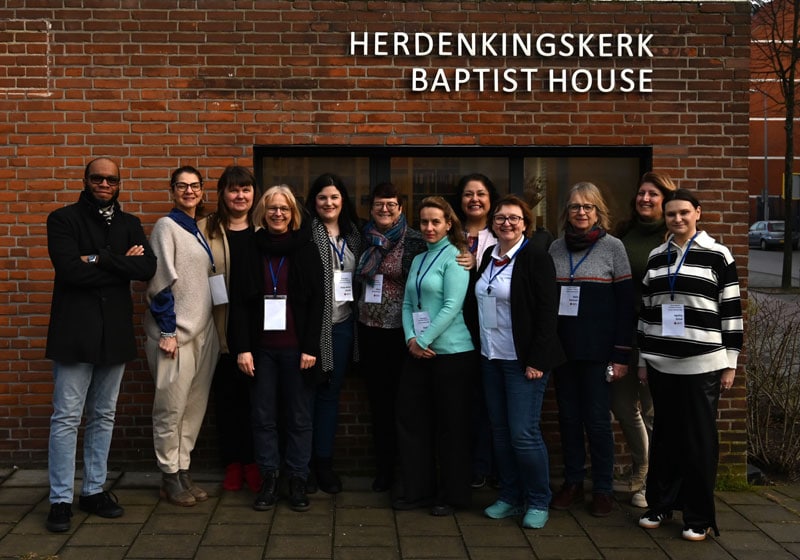
IBTS offers a unique educational experience. The programme follows a ‘split-site’ or hybrid mode of delivery, which allows students to remain grounded in their local context while maintaining a strong connection to their surroundings through their research. On the other hand, studying theology in an international, cross-cultural setting provides a unique learning opportunity that significantly improves the quality of research and the personal experience of everyone involved. Throughout their studies, students are encouraged to benefit from and contribute to the strong academic community. Rather than experiencing IBTS as a ‘PhD factory’, our students typically perceive it as a place that stimulates their creativity, provides significant mutual support and deepens spirituality. It also often leads to long-term fellowship and cooperation.
Please tell us about the library and other research facilities
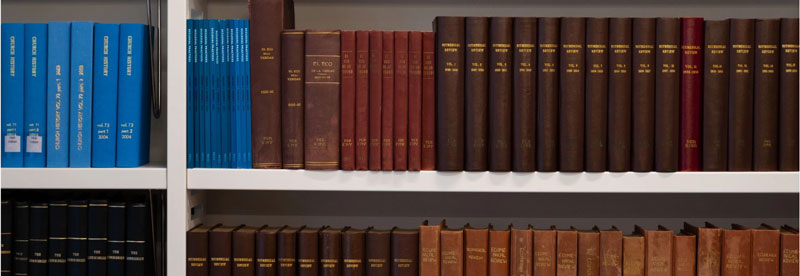
Our library facilities have so much to offer! Firstly, the John Smyth Library, which is on the first floor of the Baptist House in Amsterdam, has more than 40,000 texts on our specialist subjects (mostly European Baptists). Our students also have access to the extensive collections of the Vrije Universiteit library and its online resources. IBTS is also one of the co-owners of the Digital Theological Library (DTL), which contains over 300,000 e-books and provides access to hundreds of journals, either directly or via one of 60 databases.

Does IBTS offer a distance or on-line learning option? If yes, please tell us more about it
In addition to ‘traditional’ theological education, IBTS also offers collaborative, contextually relevant theological education through the Learning Network (LN). Launched in 2019, this platform consists of various learning opportunities and focuses on short-term, online, intensive, hands-on events designed to equip, challenge and train practitioners, ministers, lay leaders and missionaries from all over the world. The various themes cover a wide variety of issues that Christians need to address when bearing witness to and serving their society in the contemporary world. These include Freedom of Religion or Belief, Standing against Domestic Violence, Eco-crisis and the Gospel, Arts as Theology, Missional leadership and Intergenerational church…
Learning Network relies on an intercultural network of educators who are competent in proven principles and practices of adult learning-centred approaches. By engaging with young Baptist and Christian leaders within their own cultural contexts, IBTS provides an opportunity for those who struggle to access traditional education to develop their skills. In this way, our PhD programme and the Learning Network complement each other, jointly contributing to our mission of Empowering Scholars and Leaders in the Church for the World.